

Root Canal Treatment
in Orillia and Surrounding Areas
At Miller Dental Care, we use modern technology to make root canal treatment as effective, comfortable, and minimally invasive as possible. Our team works to save your natural teeth, relieve pain, and restore the health of your smile. If you are living with a painful or infected tooth, root canal therapy is often what lets you keep the tooth instead of losing it.
Root canal therapy, covered by the CDCP
Miller Dental Care is a Canadian Dental Care Plan (CDCP) provider. If you're covered under the Canadian Dental Care Plan, we typically don't charge for any balanced billing created by the difference between the CDCP fee guide and the provincial fee guide — for patients approved at 100% coverage, that often means your root canal costs $0 out of pocket.
How much the plan pays depends on your income tier, and we'll always outline your costs and coverage before treatment begins.
Experienced care, kept in-house
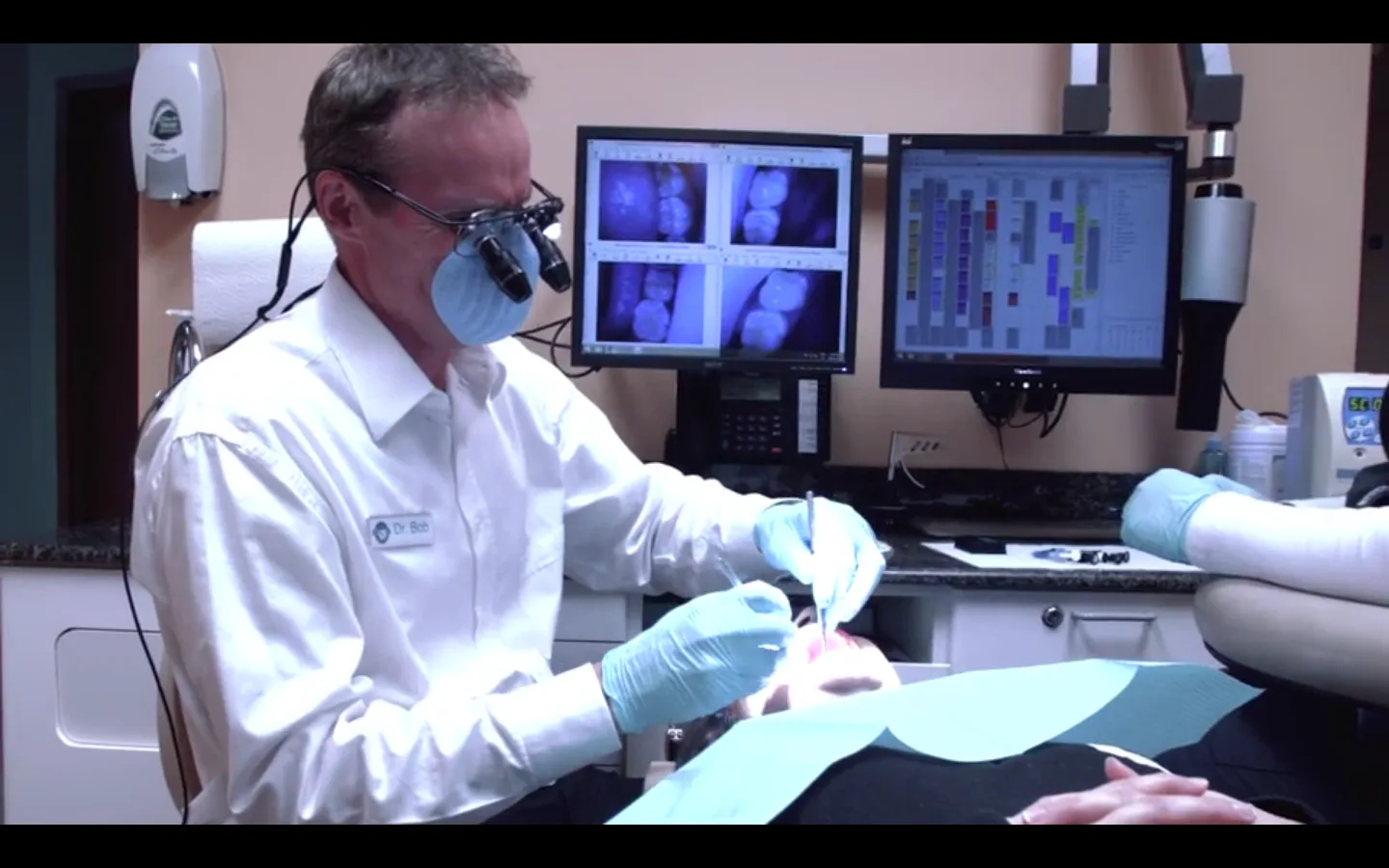
Root canal treatment at Miller Dental Care is done in our own office by dentists with 25+ years of experience providing root canal therapy. Keeping these cases in-house means most patients can finish treatment in a place they already know, with most treatments completed in a single appointment and often without a separate referral somewhere else.
25+
Years of root canal experience
In-house
Done in our own office, no referral needed
1 Appointment
Most treatments in a single appointment
Comfort and sedation options
A root canal can feel intimidating, and we do not want anxiety to stop anyone from getting out of pain. For patients who feel nervous, we offer nitrous oxide (laughing gas) and oral sedation. Nitrous oxide and oral sedation are covered under the CDCP for eligible patients without prior approval. Deeper options such as IV sedation are also covered by the CDCP in specific cases, with approval from the plan based on medical need. We will help you choose the right comfort option and confirm any coverage before your visit.
Nitrous Oxide
Laughing gas. Covered by the CDCP for eligible patients, no prior approval.
Oral Sedation
A calming option covered by the CDCP for eligible patients, no prior approval.
IV Sedation
A deeper option, covered by the CDCP in specific cases with plan approval based on medical need.
What is root canal therapy?
A root canal, known medically as endodontic therapy, is a dental procedure that treats infection inside the pulp of a tooth, which is its innermost layer. The pulp holds the nerves, connective tissue, and blood vessels that help the tooth develop. Treatment involves removing the infected or damaged pulp, cleaning the inside of the tooth, and sealing it to prevent further infection. General dentists or endodontists perform root canals under local anaesthesia for a pain-free experience.
How is a root canal performed?
A root canal is carried out in a few careful steps to remove the infection and preserve the tooth:
- 1
Anaesthetic
Numbing medication is applied to the gums near the affected tooth, followed by a local anaesthetic so the area is fully numb.
- 2
Removing the pulp
A small opening is made in the top of the tooth to reach and remove the infected or damaged pulp with specialised tools.
- 3
Cleaning and sealing
The canals are cleaned, disinfected, and filled with a sealer paste and a material called gutta-percha to prevent further infection.
- 4
Temporary filling
A temporary filling protects the tooth until a permanent restoration is placed.
- 5
Crown
In most cases a crown is placed on the treated tooth to restore its strength and appearance.
When do you need a root canal?
Root canal therapy becomes necessary when bacteria reach the pulp of a tooth and cause inflammation, a condition called pulpitis. Pulpitis can happen for several reasons, including deep untreated cavities, cracks, or damage that lets bacteria from plaque into the pulp.
Signs you may need a root canal
- Persistent tooth pain that spreads to the jaw, face, or other teeth, which can point to infection
- Pain when biting or applying pressure, which can signal nerve damage around the pulp
- Swollen or tender gums next to a sore tooth
- A pimple or boil on the gums, sometimes releasing pus with an unpleasant taste or smell
- A tooth that has become discoloured because infection has restricted its blood supply
- A loose tooth, as the supporting bone can be weakened by pus from the infection
Root canal FAQs
Here are the questions we hear most often. If you have others, please reach out and we will help.
At Miller Dental Care in Orillia and the surrounding Simcoe County communities, our team works to make root canal treatment comfortable and straightforward, answering your questions and restoring your dental health with care.
Ready to book your appointment?
Accepting new patients, including Canadian Dental Care Plan