

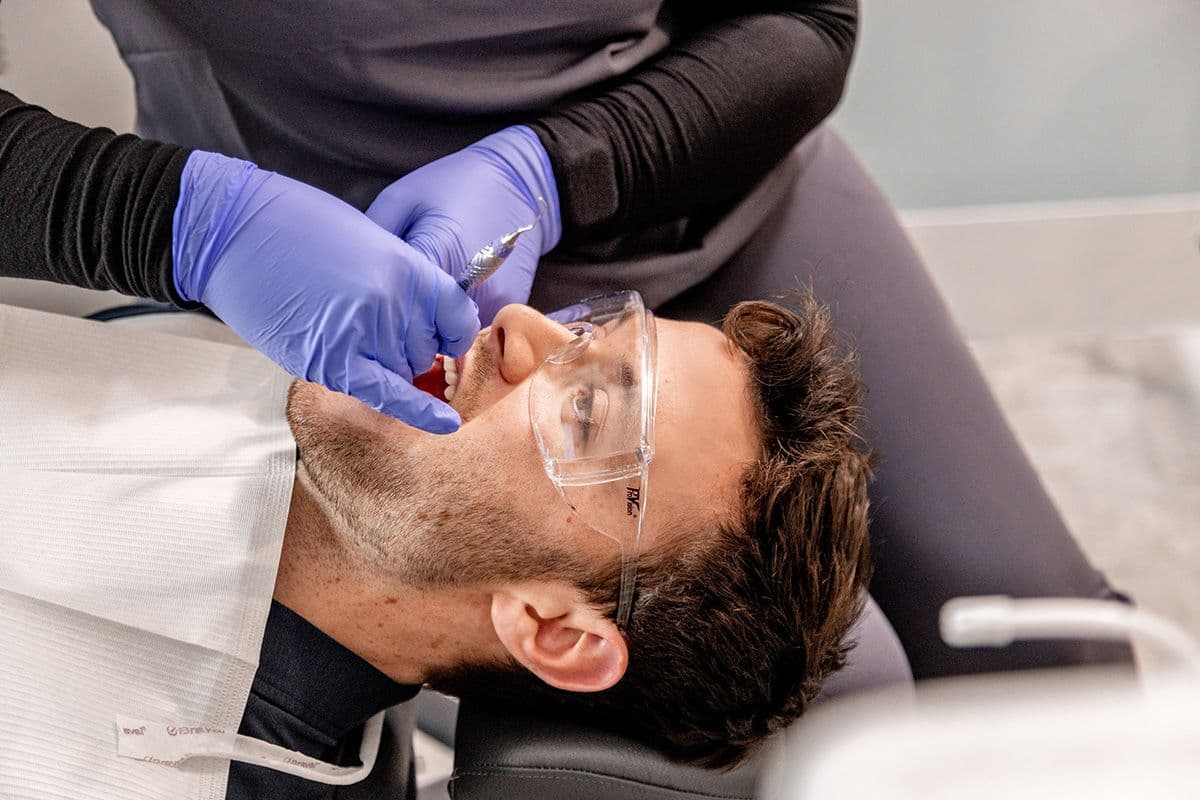
If you have a cracked tooth, a large old filling, or a tooth that just “doesn’t feel right” when you bite, you may be wondering if you need a dental crown. At Miller Dental Care in Orillia, we know it can feel overwhelming to hear you might need more than a simple filling. Our goal is to explain what a dental crown is, when it may be recommended, and how we use modern, conservative techniques to help protect your teeth as comfortably and efficiently as possible.
What Is a Dental Crown?
A dental crown is a custom-made “cap” that fits over your natural tooth to restore its shape, strength, and appearance. In restorative dentistry, a crown may help protect a tooth that is too damaged, worn, or weakened to be safely repaired with a standard filling.
Unlike a filling, which sits inside the tooth, a tooth crown surrounds the visible part of the tooth above the gumline. This coverage can contribute to protecting the remaining tooth structure when you chew, smile, or speak. In our clinic, we plan crowns with a conservative mindset, aiming to preserve as much natural tooth as reasonably possible, in line with modern adhesive and restorative approaches that emphasize tooth preservation and long-term oral health.1
Tooth Crown vs Filling: What’s the Difference?
Many people are unsure whether they really need a dental crown or if a filling would be enough. Both are part of restorative dental care, but they serve slightly different roles.
- Filling: Often used for smaller cavities or minor chips. It repairs a limited area of damage and can sometimes be a more cost-conscious option for small defects. Modern restorative materials, including newer biocompatible options, appear to support the repair and protection of tooth structure, although some of these newer materials still need stronger long-term clinical evidence.2
- Crown: Typically recommended when there is more extensive decay, a crack, or a large existing filling that leaves the tooth weak. A crown may help distribute biting forces more evenly across the tooth, which can contribute to reducing the risk of further cracking or breakage.

In simple terms, a filling “patches” the tooth, while a crown “covers and reinforces” it. When we decide between a tooth crown vs filling, we look at how much healthy tooth is left, how you bite, the location of the tooth, your long-term goals, and what is most practical and affordable for you.
When Do You Need a Dental Crown?
There is no single rule that fits everyone, but some common situations where a crown may be suggested include:
- Cracked tooth treatment: If a tooth is cracked or fractured, a dental crown may help hold it together and protect it from further damage.
- Damaged tooth repair: Teeth with large cavities, big old fillings, or pieces that have broken off often benefit from the added strength of a crown.
- After root canal treatment: Teeth that have had a root canal can become more brittle over time. Placing a crown after root canal filling is a common way to help protect the tooth so you can keep it functioning in your mouth.3
- Severe wear or erosion: In cases where teeth are badly worn down from grinding, acid erosion, or long-term wear, crown-style or veneer-style restorations may be used as part of a plan to rebuild your bite. Modern adhesive and ceramic techniques aim to do this as conservatively as possible, focusing on preserving natural tooth when planning these restorations.1
- Cosmetic improvement: When a tooth is deeply stained, misshapen, or has multiple visible restorations, a crown may help improve its look as well as function.
Our team looks carefully at your individual situation before recommending a crown. We listen to your concerns and discuss options in clear, simple language so you can feel confident in your decision.
What Happens During a Dental Crown Procedure?
At Miller Dental Care, we offer both traditional and same-day crown options, using digital scans and modern technology to make the process more efficient and comfortable.
While every case is unique, a typical dental crown procedure in our Orillia clinic often involves:
- Assessment and planning: We examine the tooth, often with digital X-rays or scans, and talk through whether a crown, filling, or another treatment may be most suitable.
- Tooth preparation: We gently shape the tooth so the crown can fit securely. Our approach is conservative, inspired by modern adhesive restorative concepts that prioritize preserving healthy tooth wherever reasonably possible.1
- Digital scan or impression: Instead of traditional trays in many cases, we may use digital scanning to design a precise fit for your dental crown.
- Crown fabrication: With our same-day crown technology in Orillia, many patients can have a crown designed, created, and placed in a single visit, which may help reduce time off work and repeat appointments.
- Placement and adjustments: We check the fit, bite, and appearance, make any fine-tuning adjustments, and then securely bond the crown in place.
Our focus is on pain-managed care, calm communication, and keeping you comfortable from start to finish.
How Long Do Dental Crowns Last?
Patients often ask how long dental crowns last. There is no fixed number that applies to everyone because longevity depends on many factors, including:
- Your daily oral hygiene and home care
- Whether you grind or clench your teeth
- Your diet and overall oral health
- The size and position of the crown
- Regular checkups and professional cleanings
Research in restorative dentistry suggests that success over time is influenced by many factors, including the quality of the treatment and ongoing care, rather than one single material or technique alone.3 With good habits and regular visits, crowns may last many years; we will talk with you about realistic expectations in your specific situation.
Dental Crown Cost in Canada and Affordability in Orillia
We understand that cost is an important part of deciding on restorative dental care. Dental crown cost in Canada can vary based on the tooth, materials used, and any additional procedures needed. At our clinic in Orillia, we discuss fees upfront, explain the treatment plan line by line, and do our best to offer affordable dental crowns Orillia patients can feel comfortable choosing.
We also support the national dental benefit plan, when applicable, and our administrative team can help you understand your coverage, estimates, and payment options so there are fewer surprises.
Conservative, Modern Restorative Dentistry in Orillia
Modern restorative dentistry in Orillia is not just about “fixing” teeth; it is about preserving as much of your natural tooth as reasonably possible while restoring strength, comfort, and appearance. Contemporary adhesive techniques and minimally invasive ceramic restorations are designed with tooth preservation in mind, which may help maintain long-term tooth health and reduce the need for more extensive treatments later on.1
Emerging biocompatible materials with remineralising properties also appear promising for supporting tooth structure, especially in earlier stages of damage, although much of the current evidence is still based on laboratory data and needs more clinical confirmation.2 Our experienced professionals stay informed about these developments so we can offer care plans that reflect both current science and your day-to-day needs.
Do You Really Need a Dental Crown?
Wondering when you truly need a dental crown? In many cases, a crown is recommended to:
- Help protect a cracked or heavily restored tooth from further damage
- Rebuild a tooth after root canal treatment so it can function more comfortably3
- Restore teeth that are severely worn or broken
- Improve the look of teeth that cannot be predictably improved with whitening or bonding alone
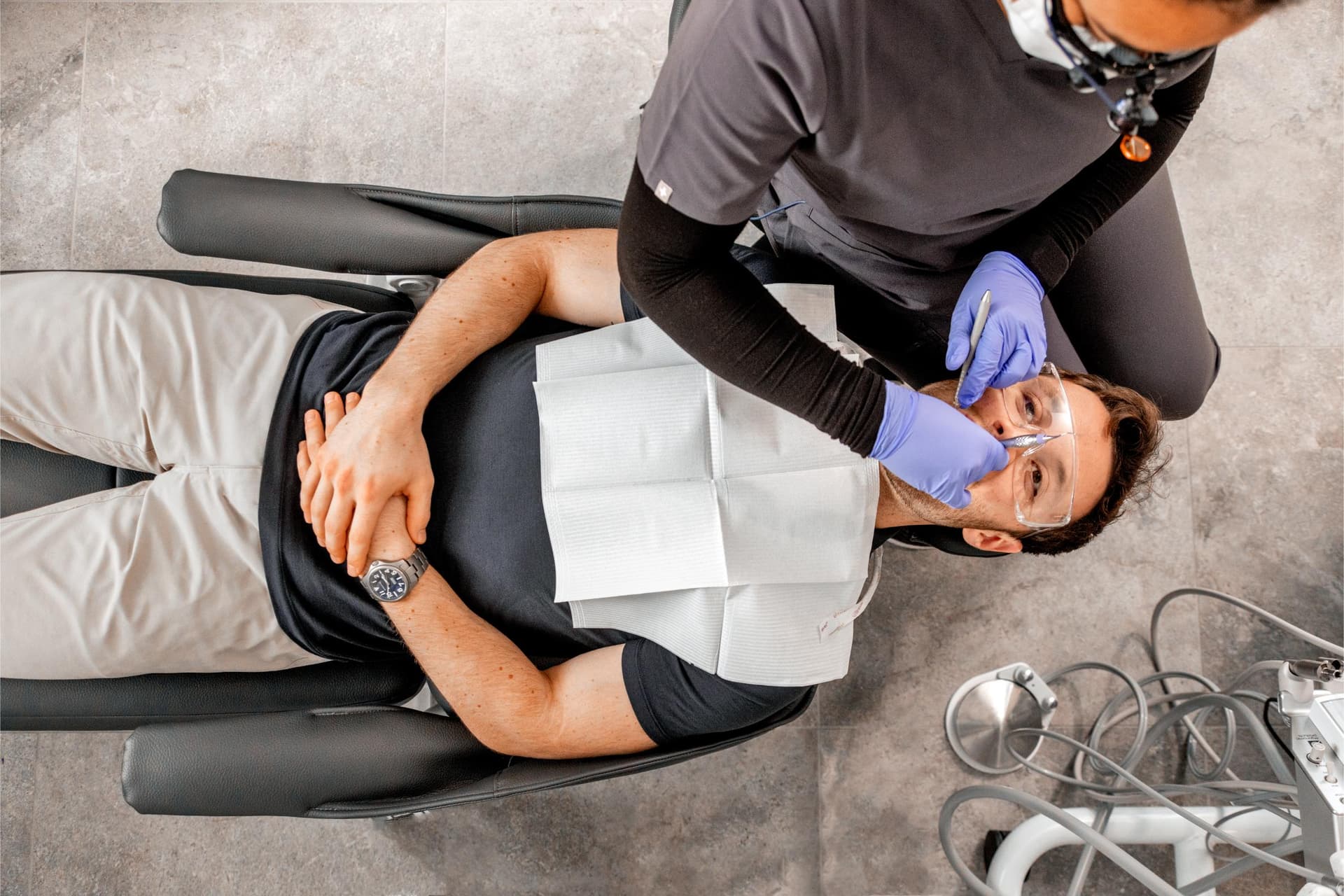
However, a crown is not always the only option. In some situations, a carefully placed filling, onlay, or veneer may be enough, especially if damage is limited and there is plenty of healthy tooth left.1,2 During your visit, we explain the pros and cons of each approach, including comfort, appearance, durability, and cost, so you can make an informed choice.
FAQs About Dental Crowns
Is getting a dental crown painful?
We use local anesthesia and pain-managed techniques to keep you as comfortable as possible. Many patients report that the experience feels similar to, or only slightly more involved than, getting a filling.
Will my crown look natural?
Our crowns are custom-designed to match the colour and shape of your surrounding teeth. With modern materials and careful planning, a crown can blend in very well with your smile.1
Can a crown save a tooth that had a root canal?
Often, yes. After root canal treatment, placing a crown is a common way to help protect the tooth and support long-term function, although outcomes still depend on many factors, including the quality of the root canal filling and ongoing care.3
What if I’m worried about time or missing work?
Our same-day crown Orillia service and flexible scheduling are designed to reduce the number of visits and time away from your daily routine. Many crowns can be completed in a single appointment, depending on your specific needs.
If you think you might need a dental crown or you are unsure whether a filling or crown is right for you, we are happy to assess your tooth, explain your options clearly, and help you choose a plan that fits your health, schedule, and budget. Book an Appointment
Miller Dental Care – Orillia, Ontario
References
- Ceinos R, et al. Bilaminate approaches and V-shaped and 360-degree veneers. Different adhesive restoration methods in the treatment of severe anterior wear: Part 2. Int J Esthet Dent. 2026.
- Isaiselvi D, et al. Evaluating the remineralisation potential and clinical evidence of emerging biocompatible materials in restorative dentistry: a systematic review. Biomater Investig Dent. 2026. doi:10.2340/biid.v13.45679
- Mushtaq A, et al. Effect of root canal filling techniques and materials on endodontic treatment outcomes: a systematic review and meta-analysis. Sci Rep. 2026. doi:10.1038/s41598-026-37936-7