

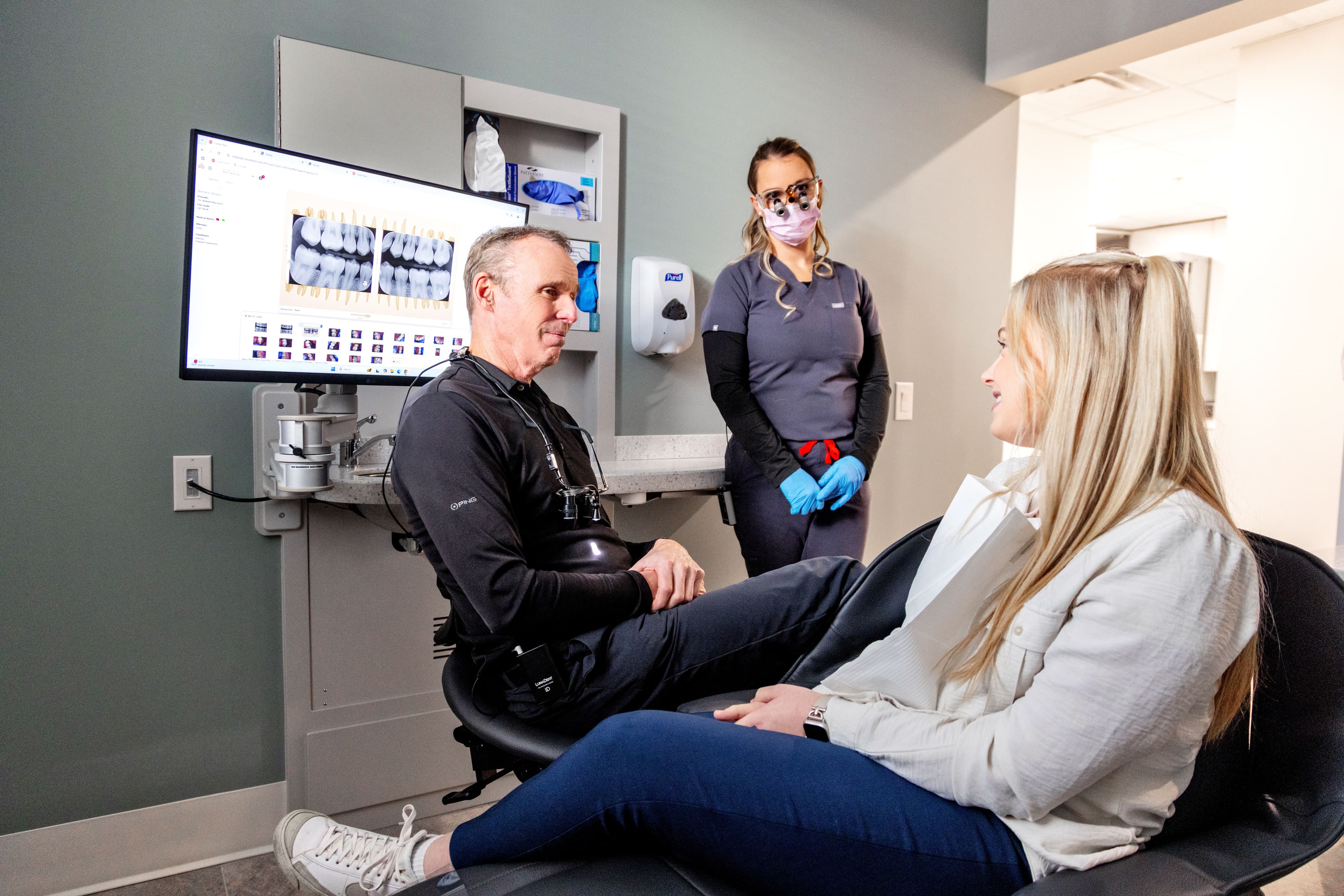
Most people associate a trip to the dentist with a cleaning or a filling. But some dental concerns go beyond routine care, and that is where oral surgery comes in. Whether it is a troublesome wisdom tooth, a failing tooth that needs to be replaced, or a jaw alignment issue affecting how you eat and speak, oral surgery procedures are more common than most people realize, and in many cases, they are the most effective path to long-term oral health.
Here is a look at the most common oral surgery procedures, what they involve, and how to know when it might be time to talk to your dentist about one.
Common Oral Surgery Procedures
Tooth Extraction
Tooth extraction is one of the most frequently performed oral surgery procedures. While dentists always aim to save a natural tooth, extraction becomes necessary when a tooth is too damaged or decayed to restore, is causing crowding, or poses an infection risk.
The tooth extraction procedure involves numbing the area with local anesthesia before the tooth is loosened and removed. In straightforward cases, this is a simple in-office procedure with a short recovery. More complex extractions, such as those involving broken or impacted teeth, may require a surgical approach using a small incision in the gum tissue.
Wisdom Tooth Removal
Wisdom tooth removal is among the most common dental procedures performed on teenagers and young adults. Third molars, commonly called wisdom teeth, often do not have enough room to emerge properly. When they become impacted (stuck beneath the gum or growing at an angle), they can cause pain, infection, crowding, and damage to neighbouring teeth.
So how does tooth extraction differ from wisdom tooth removal surgery? A standard extraction removes a tooth that has already erupted. Wisdom tooth removal frequently requires a surgical tooth incision technique to access the tooth beneath the gum, sometimes removing it in sections. Recovery after wisdom tooth surgery typically involves a few days of swelling and soreness, with most patients back to normal within a week.
Dental Implant Surgery
When a tooth is lost or extracted, dental implant surgery offers one of the most durable and natural-looking replacement options available. The procedure involves placing a small titanium post into the jawbone, which fuses with the bone over time and serves as a stable foundation for a crown, bridge, or denture.
Dental implants preserve the integrity of the jawbone, prevent neighbouring teeth from shifting, and restore full chewing function. When are dental implants necessary? They are typically recommended when a patient is missing one or more teeth, has sufficient bone density to support the implant, and wants a long-term solution that looks and functions like a natural tooth.
Bone Grafting
A bone grafting procedure is often performed in preparation for dental implants when the jawbone has deteriorated due to tooth loss, gum disease, or injury. It involves adding bone material to the deficient area to rebuild volume and density, creating a stable base for an implant.
Bone grafting is also used to preserve the socket after a tooth extraction, preventing bone loss before implant placement. While it adds a step to the implant process, it significantly improves long-term outcomes.
Corrective Jaw Surgery
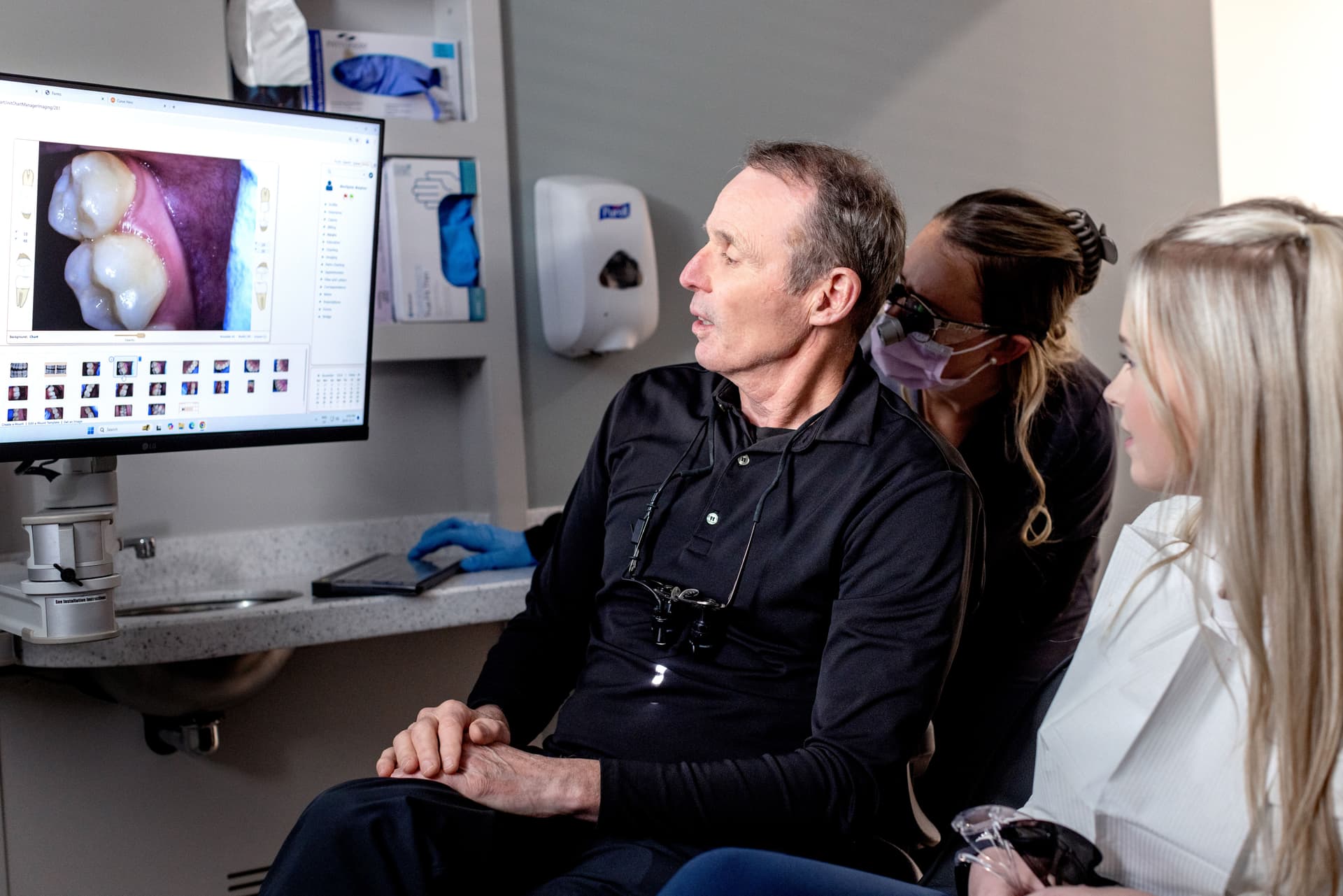
Corrective jaw surgery, also called orthognathic surgery, addresses skeletal irregularities in the upper or lower jaw that cannot be corrected with orthodontics alone. Jaw realignment surgery is typically planned in coordination with an orthodontist and involves a recovery period of several weeks, during which the jaws are gradually stabilised. How do jaw realignment and corrective surgeries improve oral health? By repositioning the jaws into proper alignment, this type of surgery can resolve:
- Difficulty chewing or biting
- Chronic jaw pain and TMJ dysfunction
- Sleep apnea related to jaw structure
- Speech difficulties
- Facial asymmetry
Gum Surgery, Cyst Removal, and Oral Biopsy
Several other procedures fall under the category of oral surgery depending on a patient’s needs:
- Gum surgery addresses advanced periodontal disease that has not responded to non-surgical treatment, removing infected tissue and reshaping the gum line to support healing.
- Cyst removal surgery removes fluid-filled sacs that can develop in the jaw or soft tissues, which if left untreated, can expand and damage surrounding teeth and bone.
- Oral biopsy involves removing a small sample of tissue from an unusual lesion in the mouth to test for abnormal or potentially cancerous cells. Early detection through biopsy is one of the most important tools in oral cancer management.
Risks, Recovery, and What to Expect After Oral Surgery
As with any surgical procedure, there are potential risks, including infection, bleeding, swelling, nerve sensitivity, and in rare cases, dry socket following extraction. Your dental team will review your specific risk profile before any procedure and take steps to minimise complications. Preparing for dental surgery also makes a meaningful difference. Let your dentist know about any medications or supplements you take, arrange transportation if sedation is involved, and plan for a day or two of rest afterward.
Recovery after surgery varies depending on the procedure, but most patients can manage with the following oral surgery recovery tips:
- Follow your dentist’s post-surgery oral care instructions carefully
- Avoid hard, crunchy, or sticky foods during the healing period
- Do not smoke or use straws in the days following surgery, as this can disrupt clot formation
- Take prescribed or recommended medications as directed for pain management after oral surgery
- Keep follow-up appointments so your healing can be monitored
When to See a Dentist About Oral Surgery
Early assessment gives you more treatment options and often leads to simpler, less involved procedures. According to the Canadian Dental Association, regular dental visits are key to catching issues before they require more significant intervention (Canadian Dental Association, cda-adc.ca). Knowing when to see your dentist is important. You should book an appointment if you are experiencing:
- Persistent tooth or jaw pain that does not resolve
- Swelling, infection, or an abscess
- A loose, broken, or severely decayed tooth
- Difficulty chewing, biting, or opening your mouth fully
- A suspicious sore or lesion in your mouth that does not heal within two weeks
- Impacted wisdom teeth or signs of crowding

Ready to Talk to a Dentist in Orillia?
If you have been putting off a dental concern or wondering whether oral surgery might be the right step for you, the team at Miller Dental Care is here to help. We offer comprehensive oral surgery services in Orillia with a focus on your comfort, your questions, and your long-term oral health.
Book your appointment online or call us at (705) 558-9028. Same-day appointments are available.